
Please note that we are not authorised to provide any investment advice. The content on this page is for information purposes only.
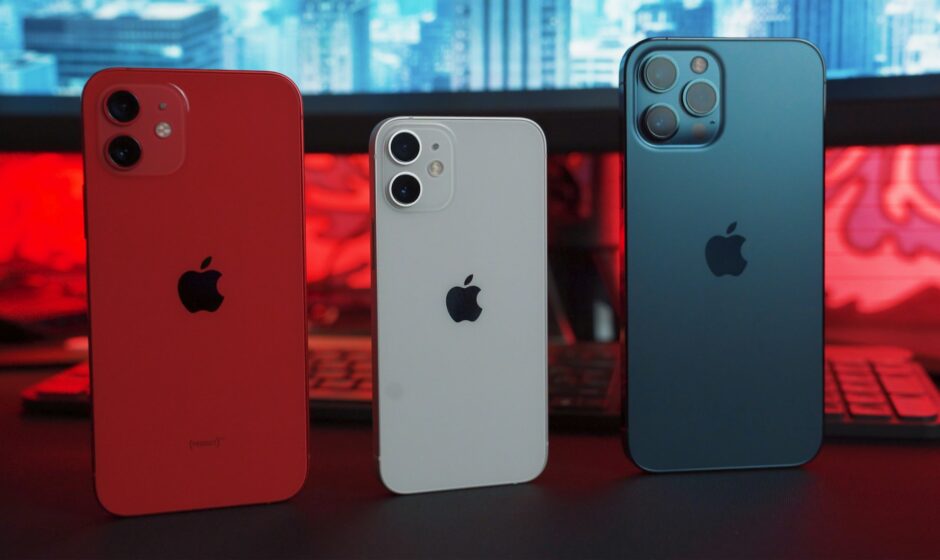
Apple (NYSE: AAPL) has scored a major victory in the Greater China market, with the newly launched iPhone Air selling out within minutes of its pre-sales opening on Friday. The frantic demand, which saw both online and brick-and-mortar stores deplete their initial stock almost instantly, coincided strategically with a high-profile visit by Apple CEO Tim Cook to the country this week.
The instant sellout for the ultra-thin, eSIM-only iPhone Air, which launched in China over a month later than the rest of the world due to regulatory hurdles, underscores the enduring and powerful appeal of the Apple brand among Chinese consumers, even amid intensifying competition from domestic rivals like Huawei and a generally contracting smartphone market.
Apple CEO Tim Cook Visited China This Week
Apple CEO Tim Cook’s recent diplomatic and promotional tour of China appears to have been a perfectly timed masterstroke. During his visit, Cook not only engaged with local pop culture, including meeting the creator of the popular Labubu doll, but also held high-level meetings with top Chinese government officials, including Vice-Premier He Lifeng and Commerce Minister Wang Wentao.
The meetings reportedly focused on strengthening Apple’s commitment to the Chinese market, promoting cooperation, and discussing the company’s growth in the region. Importantly, Cook’s presence coincided with the regulatory clearance for the iPhone Air’s eSIM functionality, paving the way for the long-delayed launch.
The combination of the CEO’s personal endorsement and the removal of the regulatory block seemed to unleash pent-up consumer demand for the unique device. Minutes after pre-orders began at 9 am local time on Friday, the iPhone Air was sold out in major metropolitan centers like Beijing, Shanghai, and Tianjin. Apple’s official website quickly updated shipping times to a delay of one to two weeks, signaling a robust and overwhelming response.
Apple Is Battling Intense Competition in China
The success of the iPhone Air is a significant win for Apple, which is navigating a highly competitive and challenging Chinese smartphone landscape. Industry data indicates the overall market shrank by 3% year-on-year in the third quarter, with local players fiercely contesting market share.
While domestic brands like Vivo and Huawei lead the overall market, the iPhone Air’s performance reaffirms Apple’s premium standing. For many Chinese consumers, the iPhone remains a powerful status symbol, and the brand’s seamless ecosystem integration continues to drive fierce loyalty.
Analysts suggest the delayed Chinese launch inadvertently helped build anticipation, turning the eventual release into a highly successful buying frenzy that now positions the entire new iPhone lineup strongly for the crucial final quarter of the year.
The robust demand demonstrates that, despite geopolitical tensions and strong local competition, Apple’s ability to drive desire and loyalty remains unmatched in one of the world’s most critical technology markets. Cook’s strategic engagement and the allure of the new device have firmly placed Apple back in the spotlight in China.
Apple Intelligence Features Are Not Available in China
Apple’s ambitious suite of generative AI features, collectively known as Apple Intelligence, remains conspicuously unavailable in mainland China, one of the company’s most critical global markets. This absence is not due to a technical limitation or a lack of user demand, but rather a complex entanglement of strict Chinese government regulations and the geopolitical sensitivities surrounding artificial intelligence (AI) technology.
The primary reason for the delay is China’s comprehensive regulatory framework for generative AI services. Unlike many Western markets, China requires all AI models that generate text or images for public consumption to be tested and approved by the Cyberspace Administration of China (CAC) before launch.
AAPL Is Seen as Lagging in AI
Notably, many believe that Apple slackened in AI even as rivals raced ahead. The company is currently facing a shareholder class action lawsuit that alleges that the iPhone maker overhyped its progress in AI and misled investors about the timeline for integrating advanced AI features into its Siri assistant.
Shareholders argue that at its June 2024 Worldwide Developers Conference (WWDC), Apple led them to believe that AI, particularly “Apple Intelligence” features designed to enhance Siri, would be a key driver for iPhone 16 devices and would be ready for launch. However, the lawsuit claims Apple lacked a functional prototype of these AI-based Siri features and had no reasonable basis to believe they would be ready for the iPhone 16.
Apple Is Looking to Bolster Its AI Capabilities
Earlier this year, there were reports that Apple executives internally discussed acquiring artificial intelligence (AI) startup, Perplexity.
Perplexity, known for its conversational AI search tools that provide summarized information from the web, recently closed a funding round valuing it at $14 billion. An acquisition at this price would be Apple’s largest ever, surpassing its $3 billion purchase of Beats in 2014.
While Apple hasn’t commented on that deal, during the most recent earnings call, the company said that it was open to acquisitions to bolster its AI capability.
The Race for Next Computing Platform
In what could be a challenge to Apple, OpenAI is looking to foray into the hardware space with its $6.4 billion acquisition of io Products. The startup was founded last year by Jony Ive, who is credited with designing several Apple products, including the iPhone.
Notably, Apple hasn’t been able to come up with a product like the iPhone in years. The company did design the Vision Pro headsets, but the sales of the $3,500 gadget have been tepid at best.
Reports suggest that Apple might be working on AI-powered glasses that could have built-in speakers and microphones. However, it remains to be seen whether that product can be the next major computing platform and, importantly, fend off competition from Meta Platforms’ smart glasses as well as hardware products that OpenAI might launch.
#Tim #Cooks #China #Visit #Sparks #Buying #Frenzy #iPhone #Air #Sells #Minutes